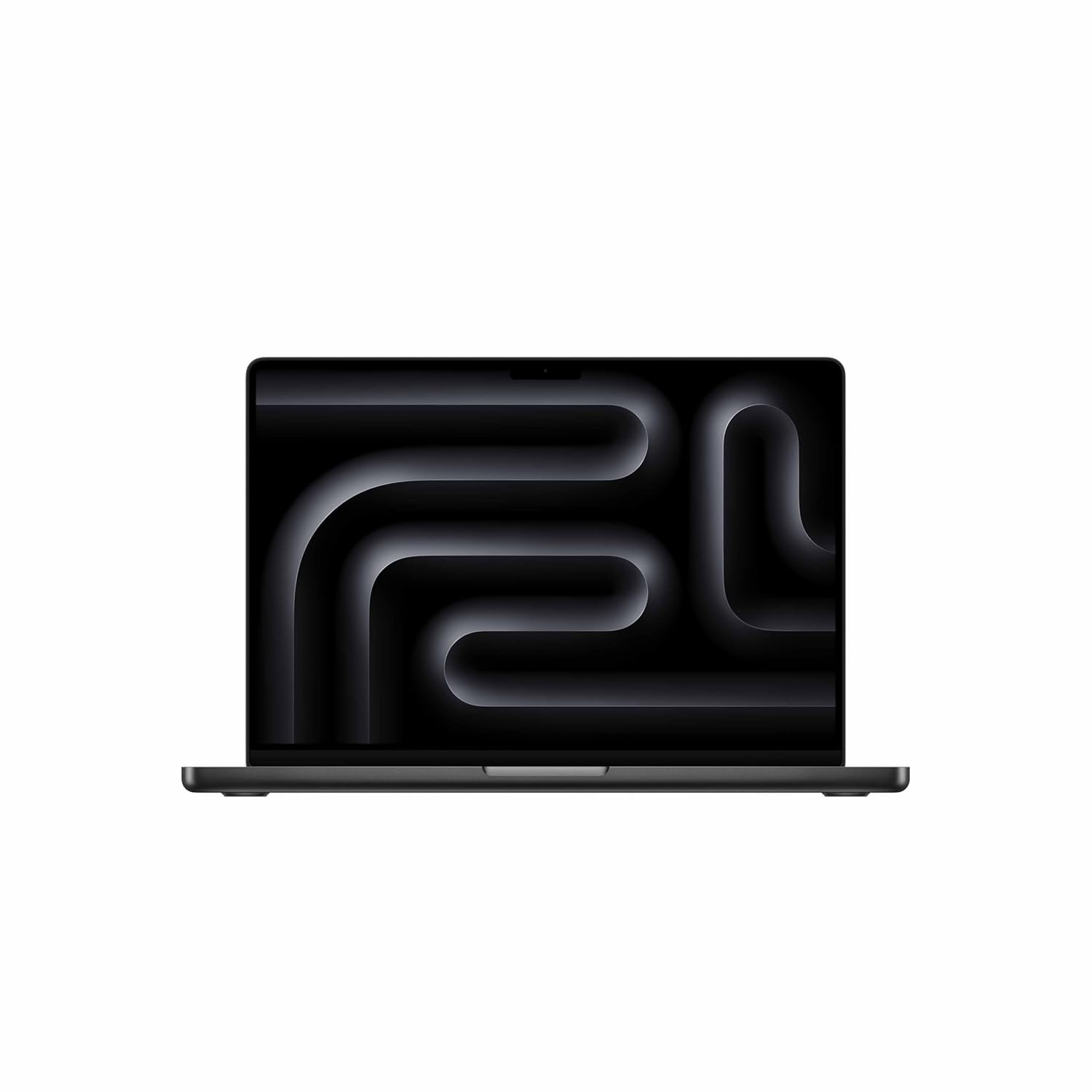
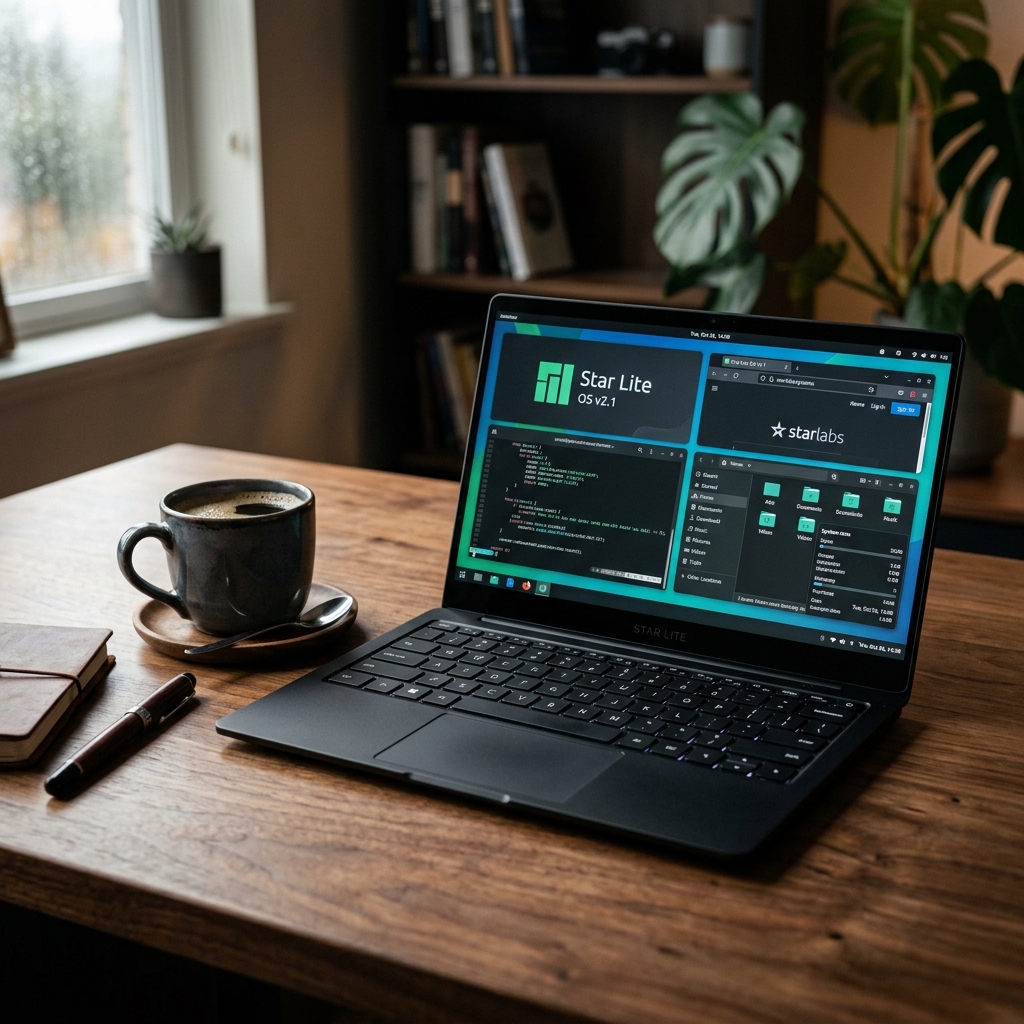
OLED vs IPS: Which Laptop Display is Better in 2024?
The Great Debate: OLED vs IPS Displays
When shopping for a premium laptop in 2024, one of the most critical decisions you will make is choosing the right display technology. For years, IPS (In-Plane Switching) panels were the gold standard for color accuracy and viewing angles. However, OLED (Organic Light-Emitting Diode) technology has rapidly taken over the premium segment. But is OLED always better? Let's break it down.
What is an IPS Display?
IPS panels use liquid crystals aligned in parallel to produce rich colors and excellent viewing angles. Because they require a backlight to illuminate the pixels, blacks are never truly 'black'—they are a very dark grey. The advantage? IPS panels are incredibly durable, immune to burn-in, and can get incredibly bright, making them perfect for well-lit office environments.
What is an OLED Display?
Unlike IPS, OLED displays do not have a backlight. Every single pixel on an OLED screen is its own light source. When a pixel needs to display the color black, it simply turns off completely. This results in an infinite contrast ratio, perfect, inky blacks, and colors that pop off the screen with unmatched vibrancy. OLED panels also have instantaneous response times, making them excellent for gaming.
The Pros and Cons
OLED Pros: Unmatched contrast, vibrant colors, near-instant response times, and true blacks. They are incredible for watching HDR movies and playing visually stunning games.
OLED Cons: There is a slight risk of burn-in if static images (like a Windows taskbar) are left on screen for thousands of hours. They also use more battery when displaying white backgrounds.
IPS Pros: Zero risk of burn-in, highly accurate colors for print work, lower cost, and better battery life when browsing the web (since web pages are mostly white).
IPS Cons: "IPS Glow" in dark rooms, slower response times compared to OLED, and blacks that look grey in dark environments.
Verdict: Which should you buy?
If you are a content creator focusing on video, a gamer who values visual fidelity, or someone who watches a lot of movies on their laptop, OLED is absolutely worth the investment. The visual experience is a generational leap. However, if you are a programmer staring at static code for 12 hours a day, or an office worker heavily reliant on Microsoft Word, a high-quality IPS panel remains the safer, more practical choice.